The land that River Beane Vineyard calls home has been shaped by agriculture for centuries. Records from the Domesday Book of 1086 show Aston listed as a thriving rural settlement, rich in arable land and livestock. With no other villages recorded for miles, this area has long stood as a quiet but productive heart of Hertfordshire farming.
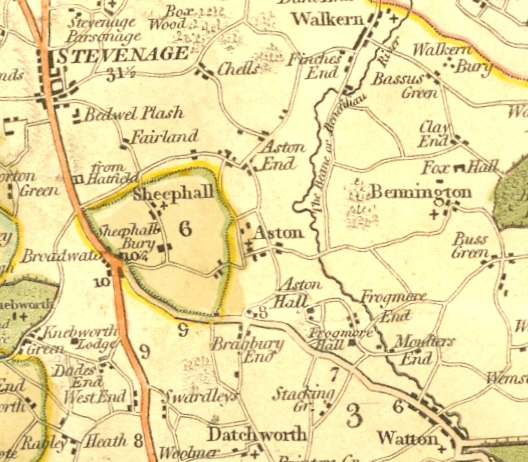
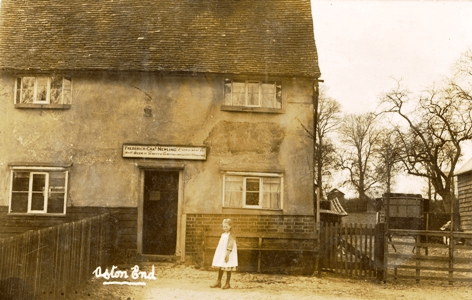
Aston End grew from a small cluster of farms and cottages, closely tied to the surrounding land and the rhythms of rural life. For generations, farming shaped both the landscape and the community, creating a place defined by steady work, seasonal change, and deep local roots.
At the centre of this landscape stands Lords Farm, a Grade II listed farmhouse believed to date back to the late medieval period, most likely built between the late fourteen hundreds and early fifteen hundreds. This suggests the land has been continuously worked for over five hundred years, adapting with each era while remaining firmly grounded in agriculture.
During the first half of the twentieth century, Lords Farm played a vital role in local milk production. With a herd of over one hundred and twenty cows, the farm supplied fresh milk to surrounding villages, including Stevenage, Knebworth, and Woolmer Green. As farming practices evolved in the latter part of the century, the farm shifted to pork production, earning regional recognition for quality and care.
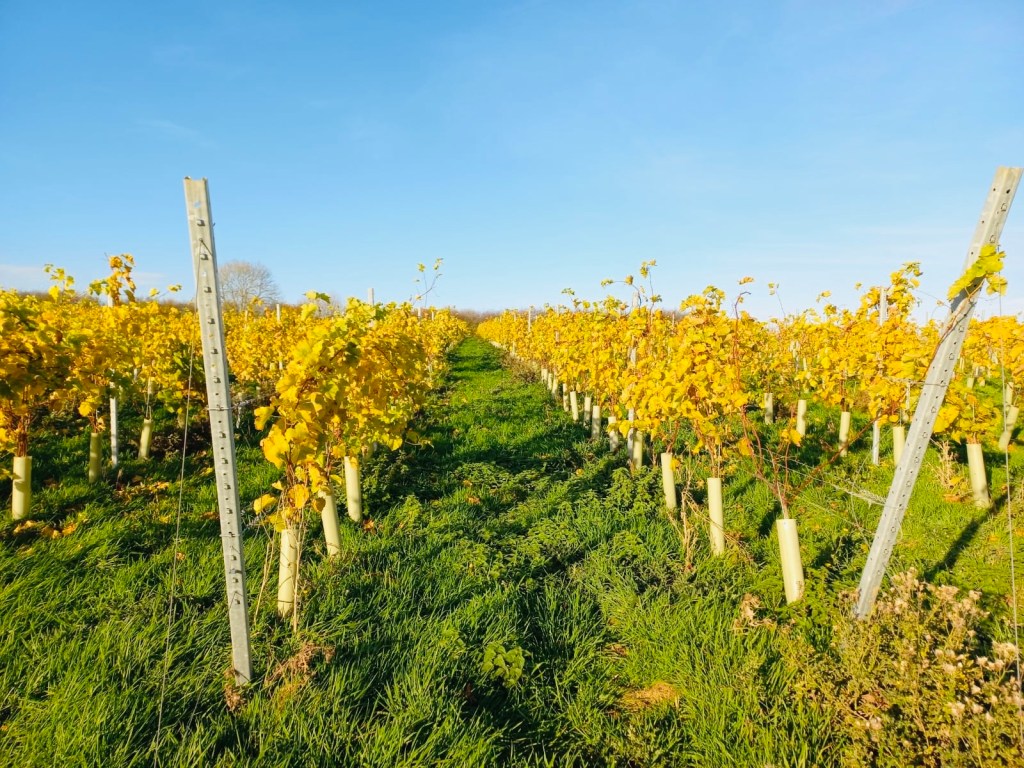
Today, River Beane Vineyard represents the next chapter in this long agricultural story. Rooted in centuries of farming heritage and guided by modern sustainability, the vineyard continues the tradition of working in harmony with the land. Through resilient PIWI grape varieties and small batch English wine production, the past and present come together, carried forward in every vine and every bottle.
 Beane River